
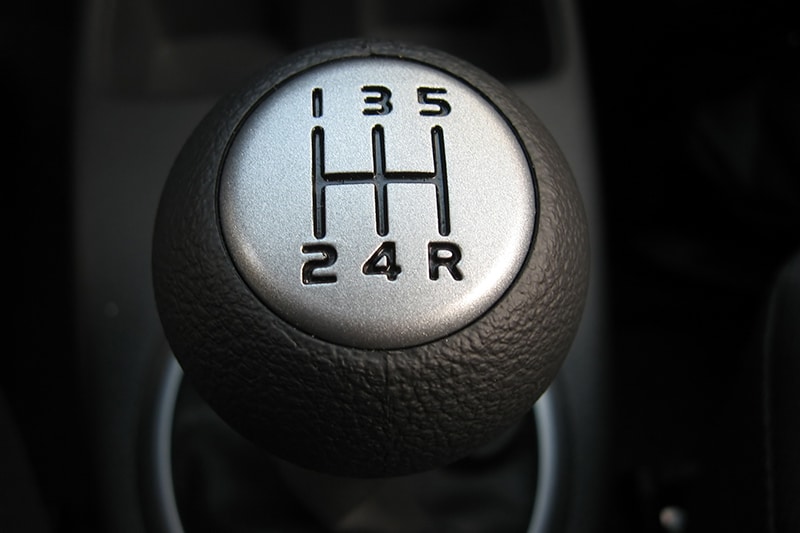
A clutch replacement can easily run you $1,000 or more, sometimes significantly higher depending on your vehicle. The good news? Most clutches are designed to last well over 60,000 miles, and with the right driving habits, you can push that number even further. We’ve seen countless drivers come into our shop at Budget Transmission in Centennial, Colorado, surprised that their clutch wore out “so soon.” But when we dig into their driving habits, the culprit is usually pretty clear. In this guide, we’ll walk you through exactly how to extend the life of your clutch, helping you avoid premature wear and costly repairs.
Understanding How Your Clutch Works and Why It Wears Out
Before we jump into what you should and shouldn’t do, it helps to understand what’s actually happening when you press that pedal.
Your clutch system sits between the engine and transmission. When you press the clutch pedal, you’re disengaging the clutch disc from the flywheel, which temporarily disconnects the engine’s power from the drivetrain. This allows you to shift gears smoothly. Release the pedal, and the clutch disc re-engages with the flywheel, transferring power back to the wheels.
The friction material on the clutch disc is what makes all this possible, and it’s also what wears out over time. Every time you engage and disengage the clutch, a tiny amount of that material gets worn away. That’s normal and unavoidable.
But here’s the thing: how much material wears away depends almost entirely on how you drive. Aggressive habits can accelerate wear dramatically. Gentle, mindful driving? Your clutch could last 100,000 miles or more. It’s really that simple.
Avoid Riding the Clutch Pedal While Driving
“Riding the clutch” is probably the single most common bad habit we see, and it’s a clutch killer.
What does it mean exactly? Riding the clutch happens when you keep your foot resting on the clutch pedal while driving, even just slightly. You might not even realize you’re doing it. That light pressure partially disengages the clutch, causing the disc to slip against the flywheel without fully engaging. The result? Excessive friction, heat buildup, and accelerated wear.
We often see this with newer manual transmission drivers who haven’t quite developed the muscle memory yet. They rest their foot on the clutch “just in case” they need it. But that constant contact is silently destroying their clutch components.
The fix is straightforward: once you’ve completed your shift, move your foot completely off the clutch pedal. Rest it on the footrest (dead pedal) instead. This simple habit change can add tens of thousands of miles to your clutch’s lifespan. Your left foot should only touch the clutch when you’re actively shifting or coming to a stop.
Master Smooth Gear Transitions and Shifting Techniques
Smooth shifting isn’t just about comfort, it’s about longevity.
When you shift gears, you want the engagement point to be as smooth as possible. Jerky, rushed shifts force the clutch disc to grip the flywheel abruptly, creating unnecessary stress and wear. Think of it like slamming on the brakes versus easing to a stop. One approach is much harder on your components.
Here are some techniques we recommend:
- Find the engagement point: Every clutch has a “bite point” where the disc starts to grab. Learn exactly where yours is and use it consistently.
- Match your revs: When downshifting, blip the throttle slightly to match engine speed with wheel speed. This reduces the load on your clutch during engagement.
- Don’t rush: Give yourself an extra half-second during shifts. Racing through gear changes might feel faster, but it’s rough on your drivetrain.
- Avoid skipping gears unnecessarily: While sometimes practical, frequent gear-skipping requires more clutch slip to match the wider RPM gap.
Smooth driving really does translate to a longer-lasting clutch. The drivers who treat their clutch gently are the same ones who go years without clutch problems.
Break Bad Habits at Traffic Lights and on Hills
Traffic lights and hills are where clutches go to die, at least when drivers develop lazy habits.
Let’s start with traffic lights. We see this constantly: a driver pulls up to a red light, presses the clutch in, and holds it there for the entire light cycle. Sometimes that’s 60 seconds or more. The whole time, the throwout bearing is under load and the clutch components are under stress. Instead, shift into neutral and release the clutch pedal while waiting. Only depress the clutch when the light’s about to change.
Hills present their own challenge. Many drivers use the clutch to hold their position on an incline, feathering the pedal to prevent rolling backward. This is called “slipping the clutch,” and it generates tremendous heat and wear. The clutch disc is literally grinding against the flywheel.
The better approach? Use your brakes or handbrake to hold position on a hill. When it’s time to go, release the brake as you engage the clutch, don’t try to balance between them. Yes, it takes practice. But your clutch will thank you.
Reduce Unnecessary Strain on Your Clutch System
Beyond driving technique, there are situational factors that put extra strain on your clutch.
Towing and hauling heavy loads is the obvious one. When your vehicle is working harder, so is your clutch. If you regularly tow with a manual transmission vehicle, be extra mindful of smooth engagements and avoid aggressive starts. The added weight means more stress during every clutch engagement.
Stop-and-go traffic is another clutch-wearing scenario. City driving involves far more shifting than highway cruising, which naturally accelerates wear. You can’t avoid traffic, but you can minimize unnecessary clutch use by leaving more following distance and anticipating stops earlier.
Also, avoid the temptation to “launch” from stops. Dumping the clutch at high RPMs might feel exciting, but it’s incredibly hard on the friction material. Save the aggressive starts for the track, if you want your clutch to last.
Finally, make sure your clutch system is properly adjusted. A clutch that doesn’t fully disengage or engage correctly will wear faster. If something feels off, have it inspected by a qualified technician.
Recognize Early Warning Signs of Clutch Wear
Even with perfect habits, clutches don’t last forever. Knowing the warning signs helps you address problems before they become emergencies.
Slipping: If your engine revs up but the car doesn’t accelerate proportionally, especially in higher gears under load, your clutch is likely slipping. This means the friction material is worn thin and can’t grip the flywheel properly.
Difficulty shifting: Grinding or resistance when shifting into gear can indicate clutch problems, though it might also point to transmission issues.
Clutch pedal changes: A clutch that engages very high (near the top of pedal travel) or feels “soft” and spongy has likely worn significantly or may have hydraulic issues.
Burning smell: A distinct burnt smell after hard driving or hill starts suggests the clutch has been slipping and overheating.
Unusual noises: Squealing or chirping when pressing or releasing the clutch often points to a worn throwout bearing.
If you notice any of these symptoms, it’s smart to have your clutch inspected sooner rather than later. At Budget Transmission, we offer FREE diagnostic services to pinpoint exactly what’s happening. Catching problems early can sometimes mean a minor repair instead of a complete clutch replacement.
Conclusion
Extending the life of your clutch comes down to mindful driving habits. Keep your foot off the pedal when you’re not shifting, master smooth gear transitions, and break those bad habits at lights and on hills. The payoff is real, potentially years of additional service life and hundreds of dollars saved.
If you’re in the Centennial, Colorado area and think your clutch might be showing signs of wear, our ASE certified technicians at Budget Transmission are here to help. We’ll diagnose the issue accurately and get you back on the road with confidence.