
Your vehicle’s transmission is one of the most complex, and expensive, components under the hood. Yet the fluid that keeps it running smoothly often gets overlooked until something goes wrong. We’ve seen it countless times at our shop: a customer comes in with transmission problems that could have been prevented with a little attention to their fluid.
Transmission fluid does far more than most drivers realize. It lubricates, cools, cleans, and even helps shift your gears. Without it, your transmission would grind itself to pieces within minutes. Whether you’re driving an automatic, a manual, or a 4×4, understanding how transmission fluid works can save you thousands in repair costs and keep your vehicle on the road longer.
In this guide, we’ll break down everything you need to know about transmission fluid, what it is, how it functions, the different types available, and the warning signs that indicate it’s time for service. Let’s get into it.
What Is Transmission Fluid?
Transmission fluid is a specialized lubricant designed specifically for your vehicle’s transmission system. Unlike motor oil, which primarily lubricates the engine, transmission fluid serves multiple critical functions that keep your gears shifting smoothly and your drivetrain operating efficiently.
At its core, transmission fluid is a petroleum-based or synthetic liquid formulated with additives that provide lubrication, cooling, and cleaning properties. The fluid flows through the transmission, coating internal components and creating a protective barrier against metal-to-metal contact. In automatic transmissions, it also serves as a hydraulic fluid, enabling the complex gear changes that happen seamlessly while you drive.
The composition of transmission fluid varies depending on whether it’s designed for automatic or manual transmissions. Automatic transmission fluid (ATF) contains friction modifiers that allow the clutch plates inside the torque converter to engage properly. Manual transmission fluid, on the other hand, is often thicker and formulated to protect the gears and synchronizers unique to manual gearboxes.
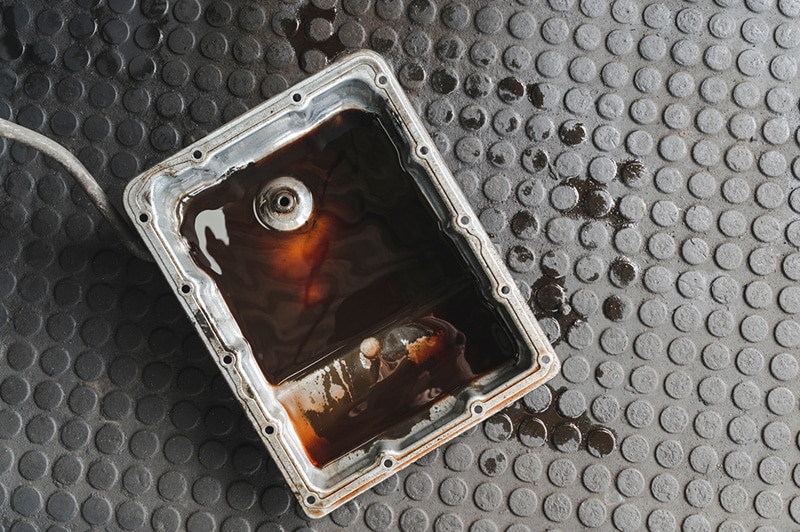
Fresh transmission fluid typically has a bright red or pink color, making it easy to distinguish from other automotive fluids. This color isn’t just for show, it helps technicians identify leaks and assess the fluid‘s condition during inspections. As the fluid ages and breaks down, it darkens, eventually turning brown or even black when severely degraded.
One thing we always tell our customers: transmission fluid isn’t optional. It’s absolutely essential for the proper operation of your vehicle, whether you’re driving a sedan, truck, SUV, or diesel workhorse.
How Transmission Fluid Functions in Your Vehicle
Understanding how transmission fluid works requires looking at the two primary jobs it performs: keeping everything cool and lubricated, and creating the hydraulic pressure needed for gear changes.
Lubrication and Heat Dissipation
Your transmission contains dozens of moving parts, gears, bearings, shafts, clutch packs, and more, all operating at high speeds under significant stress. Without proper lubrication, these components would generate tremendous friction, leading to rapid wear, overheating, and eventual failure.
Transmission fluid creates a thin protective film between these metal surfaces, reducing friction and preventing direct contact. This lubrication is critical because even microscopic metal-on-metal contact causes wear. Over time, this wear produces tiny metal particles that contaminate the fluid and accelerate further damage, a destructive cycle that proper fluid maintenance helps prevent.
Heat is the transmission’s biggest enemy. During normal operation, transmissions can reach temperatures of 175°F to 200°F. Under heavy load, like towing, climbing hills, or stop-and-go city driving, temperatures can spike well above 250°F. At these elevated temperatures, transmission fluid begins to break down, losing its protective properties.
The fluid absorbs heat from the transmission’s internal components and carries it to the transmission cooler (usually integrated with the radiator or a separate unit), where it dissipates before cycling back through. This continuous cooling process keeps operating temperatures within safe limits and preserves the fluid’s integrity.
Hydraulic Pressure and Gear Shifting
In automatic transmissions, the fluid does something remarkable: it becomes the mechanism that shifts gears. The torque converter, a fluid coupling between the engine and transmission, uses transmission fluid to transfer power from the engine to the gearbox. As the engine spins, it forces fluid through the torque converter, which drives the transmission’s input shaft.
Beyond the torque converter, automatic transmissions rely on hydraulic pressure to engage different clutch packs and bands, selecting the appropriate gear ratio. The transmission’s valve body directs fluid to specific circuits based on vehicle speed, throttle position, and other inputs. This hydraulic control is why ATF must maintain precise viscosity and pressure characteristics.
When transmission fluid breaks down or runs low, hydraulic pressure drops. The result? Delayed shifts, slipping gears, harsh engagement, or the inability to shift at all. We’ve diagnosed plenty of transmission problems at Budget Transmission that traced back to nothing more than degraded fluid failing to maintain proper pressure.
Manual transmissions don’t use fluid for shifting (that’s all you, working the clutch and shifter), but they still depend on fluid for lubrication of the gears, bearings, and synchronizers that make smooth shifting possible.
Types of Transmission Fluid
Not all transmission fluids are created equal, and using the wrong type can cause serious problems. Here’s a breakdown of the main categories you’ll encounter:
Automatic Transmission Fluid (ATF)
ATF is the most common type, used in automatic transmissions, power steering systems, and some transfer cases. Several varieties exist:
- Dexron/Mercon: These are the traditional standards developed by GM (Dexron) and Ford (Mercon). Current versions include Dexron VI and Mercon V/LV. They’re widely compatible but always check your owner’s manual.
- Type F: An older Ford specification still used in some classic vehicles. It has different friction characteristics than Dexron/Mercon.
- Multi-Vehicle ATF: Formulated to meet multiple manufacturer specifications. These can be convenient but may not provide optimal performance for every application.
Synthetic ATF
Synthetic transmission fluids offer improved performance across a wider temperature range, better oxidation resistance, and longer service life than conventional fluids. Many modern vehicles, particularly European makes, require full synthetic ATF. The higher cost is typically offset by extended change intervals and superior protection.
Manual Transmission Fluid
Manual transmissions may use dedicated gear oil, ATF, or manufacturer-specific fluids depending on the design. Gear oils are rated by viscosity (like 75W-90) and API service classifications. Some manual transmissions, particularly those in Japanese vehicles, actually specify ATF for smoother shifting.
Continuously Variable Transmission (CVT) Fluid
CVTs require specialized fluid designed for their unique belt-and-pulley systems. CVT fluid has specific friction characteristics that allow the belt to grip the pulleys properly. Using conventional ATF in a CVT will damage it, this isn’t a place to cut corners.
Dual-Clutch Transmission (DCT) Fluid
DCT systems, increasingly common in performance and economy vehicles, require their own specialized fluids. These formulations must work with both the wet clutch components and the gear sets.
The bottom line? Always use the fluid specified in your owner’s manual or by your transmission manufacturer. When in doubt, consult a specialist. At Budget Transmission, we stock the correct fluids for virtually every make and model, and we can help you identify exactly what your vehicle needs.
Signs Your Transmission Fluid Needs Attention
Your vehicle often tells you when something’s wrong, you just need to know what to listen and look for. Here are the warning signs that your transmission fluid needs attention:
Discolored or Burnt-Smelling Fluid
Healthy transmission fluid is translucent red or pink. If your fluid looks brown, dark red, or black, it’s oxidized and losing its protective properties. A burnt smell indicates the fluid has overheated, breaking down its chemical structure. Either condition calls for immediate service.
Slipping Gears
Does your transmission hesitate before engaging, or does the engine rev higher than normal before the vehicle accelerates? Gear slipping often results from low fluid levels or degraded fluid that can’t maintain proper hydraulic pressure. This symptom shouldn’t be ignored, continued driving can cause permanent damage.
Rough or Delayed Shifting
Smooth, barely noticeable shifts are the mark of a healthy automatic transmission. If you’re feeling harsh engagement, jerky shifts, or noticeable delays between gears, contaminated or low fluid may be the culprit. In some cases, a simple fluid change resolves the issue.
Unusual Noises
Grinding, whining, or clunking sounds during shifting can indicate inadequate lubrication. Without sufficient fluid, metal components contact each other directly, producing these concerning noises. Address them promptly before minor wear becomes major damage.
Transmission Overheating
Many vehicles have a transmission temperature warning light or gauge. If yours illuminates, pull over safely and let the transmission cool. Repeated overheating events suggest the fluid isn’t doing its job, whether due to low levels, degradation, or a cooling system problem.
Fluid Leaks
Red or reddish-brown puddles under your vehicle point to a transmission fluid leak. Common leak points include the pan gasket, seals, cooler lines, and torque converter. Even small leaks need attention, as low fluid levels lead directly to the problems described above.
Check Engine Light
Modern vehicles monitor transmission performance through various sensors. Abnormalities can trigger the check engine light, even if you haven’t noticed other symptoms yet. A diagnostic scan can reveal transmission-related trouble codes.
We offer free diagnostic services at Budget Transmission in Centennial, Colorado. If you’re experiencing any of these symptoms, we can identify the root cause and recommend the appropriate solution, whether that’s a simple fluid change, a transmission flush, or more extensive repair.
How Often to Change Transmission Fluid
The “right” interval for changing transmission fluid depends on several factors, and honestly, there’s no one-size-fits-all answer. Manufacturer recommendations vary widely, anywhere from 30,000 to 100,000 miles or more for some modern vehicles with “lifetime” fluid.
Here’s our take based on years of transmission work: don’t push it to the limits.
General Guidelines
For automatic transmissions, we typically recommend fluid changes every 30,000 to 60,000 miles. Manual transmissions can often go longer, 60,000 to 100,000 miles, but still benefit from periodic fluid replacement.
Severe Driving Conditions
If any of the following apply to you, consider more frequent changes:
- Towing trailers or hauling heavy loads
- Frequent stop-and-go city driving
- Driving in mountainous terrain
- Extreme hot or cold climates
- Commercial or fleet vehicle use
These conditions put extra stress on your transmission and cause the fluid to break down faster. We service several fleets at Budget Transmission, and those vehicles typically need more frequent attention due to their demanding duty cycles.
“Lifetime” Fluid Claims
Some manufacturers claim their transmissions are sealed and filled with “lifetime” fluid that never needs changing. We’re skeptical of this claim. While modern fluids are incredibly durable, no fluid lasts forever. What manufacturers really mean is that the fluid should last the warranty period, not necessarily the life you expect from your vehicle.
We’ve seen too many transmissions fail prematurely because owners believed the lifetime fluid myth. A preventive fluid change at 60,000 or 80,000 miles is far cheaper than a transmission rebuild at 120,000.
Fluid Change vs. Transmission Flush
A standard fluid change drains and replaces the fluid in the pan, typically about 40-50% of the total fluid volume. A transmission flush, by contrast, exchanges virtually all the fluid using specialized equipment. Flushes provide a more complete renewal but aren’t always appropriate for high-mileage transmissions with contaminated fluid.
Our ASE-certified technicians use the latest equipment to properly flush transmissions when appropriate, ensuring clean fluid throughout the entire system. We can assess your situation and recommend the best approach for your specific vehicle.
Consequences of Neglecting Transmission Fluid Maintenance
Putting off transmission fluid service might seem like an easy way to save money in the short term. But neglect carries real consequences, and the repair bills can be substantial.
Accelerated Component Wear
Degraded fluid loses its lubricating properties, allowing increased friction between moving parts. Gears, bearings, clutch plates, and other components wear faster, shortening the transmission’s lifespan. The metal particles generated by this wear contaminate the fluid further, creating a vicious cycle of deterioration.
Overheating Damage
Old, broken-down fluid can’t dissipate heat effectively. Sustained high temperatures damage seals, warp components, and can even cause complete transmission failure. Overheating is one of the leading causes of transmission death, and it’s largely preventable with proper fluid maintenance.
Seal and Gasket Deterioration
Transmission fluid conditions the rubber seals and gaskets that prevent leaks. When the fluid degrades, these components dry out, crack, and fail. The resulting leaks further compound fluid loss, creating more problems.
Complete Transmission Failure
The ultimate consequence of neglect is catastrophic transmission failure. When a transmission fails completely, you’re looking at either a rebuild or replacement, typically costing ,500 to ,000 or more depending on your vehicle. Compare that to a fluid change or flush at a fraction of the cost, and the math is clear.
Reduced Vehicle Value
Even if your transmission hasn’t failed outright, signs of neglect, like rough shifting or unusual noises, hurt resale value. Prospective buyers (and their mechanics) can spot transmission problems, and they’ll either walk away or demand significant price reductions.
At Budget Transmission, we’ve performed everything from minor repairs and adjustments to complete rebuilds and overhauls. Trust us: an ounce of prevention really is worth a pound of cure when it comes to transmission maintenance. The cost of regular fluid service pales in comparison to major repair bills.
Conclusion
Transmission fluid might not be the most glamorous topic in automotive maintenance, but it’s absolutely critical to your vehicle’s performance and longevity. This specialized fluid lubricates, cools, cleans, and enables the hydraulic functions that make your transmission work. Neglecting it leads to accelerated wear, overheating, and eventually, expensive repairs or complete transmission failure.
Stay proactive: check your fluid periodically, watch for warning signs like discoloration or shifting problems, and don’t stretch change intervals beyond what’s reasonable for your driving conditions. When in doubt, have a professional inspection.
At Budget Transmission in Centennial, Colorado, we specialize in all things transmission, automatic, manual, 4×4 transfer cases, clutches, differentials, driveshafts, and more. We offer free diagnostic services and back our work with a warranty because we stand behind what we do. Whether you need a routine transmission flush or more extensive repair, our ASE-certified technicians have the expertise to get you safely back on the road.
Your transmission works hard every time you drive. Taking care of its fluid is one of the simplest, most cost-effective ways to protect your investment and avoid breakdowns. If you have questions or concerns about your transmission, we’re here to help.