
When your transmission starts acting up, one of the first questions that comes to mind is: “How long am I going to be without my car?” It’s a fair question, especially in Colorado, where many of us rely on our vehicles for commuting through Denver traffic, navigating mountain roads, or just getting through daily life in the Centennial area.
At Budget Transmission in Centennial, Colorado, we get asked about transmission rebuild timelines almost every day. And honestly, we wish we could give everyone a simple, straightforward answer. But the truth is, the duration of a transmission rebuild depends on several factors, some within our control, and some that aren’t. In this guide, we’ll break down exactly what goes into a transmission rebuild, how long you can realistically expect the process to take, and what you can do to minimize your time without a vehicle.
Understanding the Transmission Rebuild Process
Before we talk timelines, it helps to understand what actually happens during a transmission rebuild. This isn’t like swapping out brake pads or changing your oil, it’s one of the most labor-intensive repairs a vehicle can require.
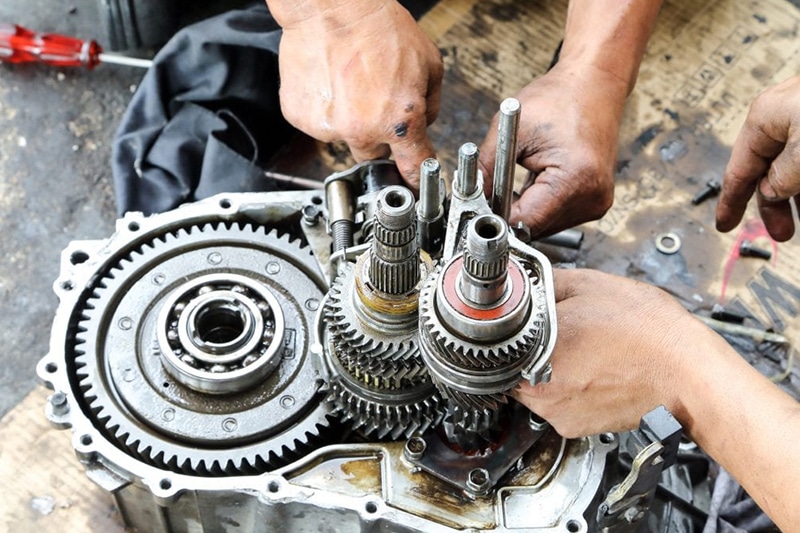
A transmission rebuild involves completely removing the transmission from your car, truck, or SUV, then disassembling it piece by piece. Our ASE-certified technicians inspect every component: the clutches, bands, seals, gaskets, bearings, and the torque converter. We’re looking for worn parts, damaged gears, and anything else that might be causing problems.
Once we’ve identified what needs replacing, we install new or remanufactured parts and reassemble the entire unit. The transmission then gets reinstalled in your vehicle, refilled with fresh fluid, and thoroughly tested to make sure everything works correctly.
Think of it like this: a transmission rebuild is essentially giving your transmission a second life. We’re not just patching a problem, we’re restoring the unit to factory specifications (or better). It’s detailed work that requires specialized diagnostic tools and genuine expertise, which is why choosing the right shop matters so much.
Typical Timeline for a Transmission Rebuild
So, let’s get to the numbers. For most standard transmission rebuilds, you’re looking at somewhere between 3 to 5 business days from start to finish. That said, this is a general estimate, and individual cases can vary.
Here’s a rough breakdown of where that time goes:
- Diagnosis and inspection: 1-4 hours (sometimes longer for complex issues)
- Removal of the transmission: 2-6 hours depending on the vehicle
- Disassembly and parts inspection: 4-8 hours
- Ordering and receiving parts: 1-3 days (if not in stock)
- Rebuild and reassembly: 6-12 hours
- Reinstallation: 2-6 hours
- Testing and quality control: 1-2 hours
At Budget Transmission, we offer a FREE inspection and diagnosis, which helps us give you a more accurate timeline upfront. We’ve been doing this for over 11 years, earning Gold Star recognition every single year, so we’ve gotten pretty good at estimating how long a particular job will take.
Now, some shops might quote you a faster turnaround. Be cautious here. Rushing a transmission rebuild often leads to corners being cut, and that can mean you’re back in the shop sooner than you’d like. We’d rather take an extra day to do it right than have you come back with the same problem in six months.
Factors That Affect Rebuild Duration
Not every transmission rebuild is created equal. Several factors can push your timeline shorter or longer than average.
Vehicle Type and Transmission Complexity
The type of vehicle you drive plays a huge role in how long your rebuild takes. A standard automatic transmission in a domestic sedan? Relatively straightforward. A modern 10-speed automatic in a newer truck or SUV? That’s a different story.
Luxury European vehicles often have particularly complex transmissions with proprietary components, which adds to both the time and expertise required. Manual transmissions, while mechanically simpler in some ways, have their own quirks that our specialized manual transmission technicians know how to handle.
4×4 trucks and SUVs present additional considerations because the transmission connects to the transfer case. If there’s any question about transfer case condition, we’ll want to inspect that too, which adds time but can save you from a bigger headache down the road.
Parts Availability and Supply Chain Considerations
This one can be a real wildcard. If we have the necessary parts in stock or can source them locally, your rebuild stays on schedule. But if your vehicle requires specialized components that need to be ordered from a manufacturer or distributor, you might be looking at an extra 2-5 days of wait time.
Older vehicles and imports are more likely to run into parts availability issues. We use only premium parts for our rebuilds because cutting corners on components defeats the purpose of a quality rebuild. Sometimes that means waiting a bit longer for the right part rather than settling for something inferior.
Shop Workload and Technician Expertise
Here’s something people don’t always consider: how busy the shop is when you bring your vehicle in. A reputable transmission shop often has a backlog, especially during certain times of year.
At Budget Transmission, we’re family-owned and operated, no franchise fees or commissions to worry about. This means we focus on doing quality work rather than rushing jobs through to hit corporate quotas. Our certified technicians have the training, skills, and expertise to work efficiently without sacrificing quality. That experience actually tends to speed things up because we’re not wasting time diagnosing problems incorrectly or having to redo work.
Colorado-Specific Factors Impacting Rebuild Time
Living in Colorado comes with some unique considerations when it comes to transmission repairs.
First, there’s the altitude factor. Vehicles operating at higher elevations work harder than those at sea level, and transmissions are no exception. The thinner air affects engine performance, which in turn impacts how hard the transmission has to work. We see a lot of transmissions come in with wear patterns specific to mountain driving, climbing grades, engine braking on descents, and the stop-and-go of ski traffic.
Then there’s the weather. Colorado’s temperature swings can be brutal on transmissions. Going from sub-zero winter mornings to mild afternoons puts stress on seals and gaskets. If your vehicle spends time in the mountains, it’s also exposed to road salt and moisture that can accelerate wear on external components.
From a practical standpoint, Colorado’s transmission shops, especially in the Denver metro area, stay busy year-round. Ski season brings in vehicles that have been worked hard on I-70. Summer brings trucks that have been towing campers and boats. This consistent demand can affect scheduling, so if your transmission is showing early warning signs, don’t wait until it fails completely to schedule an inspection.
We offer complimentary towing in our local area with qualified repairs, which helps if your transmission gives out unexpectedly and you’re stuck somewhere in the Centennial or greater Denver area.
How to Minimize Wait Time for Your Transmission Rebuild
Nobody wants to be without their vehicle longer than necessary. Here are some practical steps you can take to keep your rebuild on track:
Get a proper diagnosis first. Jumping straight to a rebuild without understanding what’s actually wrong can waste time and money. Our free inspection and diagnosis helps identify exactly what’s needed before any work begins. Sometimes what seems like a major problem turns out to be something simpler.
Schedule proactively if possible. If your transmission is showing signs of trouble but still functioning, call ahead and schedule your appointment. This gives the shop time to research your specific vehicle and potentially pre-order parts.
Provide your vehicle’s complete history. Let us know about any previous transmission work, modifications, or issues you’ve noticed. The more information we have, the faster we can diagnose and plan the rebuild.
Be flexible with timing. If you can drop off your vehicle at the beginning of the week rather than Friday afternoon, you’ll likely get it back sooner. Most parts suppliers have limited weekend deliveries.
Ask about loaner vehicles or shuttle services. While Budget Transmission focuses on getting your vehicle back to you quickly, we understand you still need to get around. Discuss your transportation needs when you drop off your vehicle.
Consider a rebuild before a complete failure. A transmission that’s slipping or shifting rough is easier (and faster) to rebuild than one that’s completely destroyed. Waiting until catastrophic failure often means more damaged parts and a longer rebuild time.
Signs Your Transmission May Need a Rebuild
Knowing when to bring your vehicle in can help you avoid emergency situations and potentially shorten your overall repair timeline. Here are the warning signs we tell customers to watch for:
Slipping gears: If your transmission slips out of gear or hesitates before engaging, internal components are likely worn. This is often one of the earlier signs that a rebuild is in your future.
Rough or delayed shifting: Harsh shifts, delayed engagement when you put the car in drive or reverse, or the transmission “hunting” for the right gear all indicate problems.
Unusual noises: Grinding, whining, or clunking sounds coming from your transmission area aren’t normal. These noises often indicate worn bearings, damaged gears, or low fluid levels.
Fluid leaks or discoloration: Transmission fluid should be bright red and have a slightly sweet smell. If yours is dark, smells burnt, or you’re seeing puddles under your vehicle, there’s a problem.
Check engine light or transmission warning: Modern vehicles monitor transmission performance. If your dashboard is telling you something’s wrong, believe it.
Shuddering or vibrating: A transmission that shakes or vibrates, especially when shifting or at certain speeds, has internal issues that won’t fix themselves.
If you’re experiencing any of these symptoms, don’t ignore them. At Budget Transmission, we’ve seen too many cases where a relatively minor issue turned into a major rebuild because someone kept driving on a failing transmission. Our specialized automatic transmission diagnostic tools can pinpoint exactly what’s going on, often before you’re stranded on the side of the road.
Conclusion
A transmission rebuild in Colorado typically takes between 3 to 5 business days, though your specific timeline will depend on your vehicle type, parts availability, and the shop’s current workload. Colorado’s unique driving conditions, altitude, temperature extremes, and mountain terrain, mean our transmissions often work harder than those in other states, which can affect both the rebuild process and overall timing.
At Budget Transmission in Centennial, we’ve built our reputation on honest work at an honest price, backed by a 3-year, 100,000-mile warranty option. Owner Gary Eversole and our team of ASE-certified technicians handle everything from minor adjustments to complete rebuilds on both foreign and domestic vehicles.
If your transmission is showing warning signs, the best thing you can do is get it inspected sooner rather than later. Give us a call or stop by for a free inspection and diagnosis, we’ll give you a realistic timeline and get you back on Colorado’s roads as quickly as possible.