
If you drive a diesel truck or SUV in Centennial or Aurora, you already know these vehicles are built to work hard. Whether you’re hauling equipment across town, managing a commercial fleet, or just relying on your diesel for daily driving, there’s one component you can’t afford to ignore: the transmission.
Diesel transmissions take a beating. They handle significantly more torque than their gasoline counterparts, and that extra stress means they’re prone to specific problems that can leave you stranded if you don’t catch them early. At Budget Transmission, we’ve seen just about every diesel transmission issue you can imagine, and we’ve helped countless drivers in Centennial and the surrounding Aurora area get back on the road safely.
Let’s walk through the most common diesel transmission problems, what causes them, and how to fix them before they turn into expensive repairs.
Understanding Diesel Transmission Systems
Before we jump into specific problems, it helps to understand why diesel transmissions are different from what you’d find in a typical gasoline vehicle.
Diesel engines produce massive amounts of torque, often 400 lb-ft or more in modern trucks. That’s great for towing and hauling, but it puts tremendous strain on the transmission. Every component, from the clutch plates to the torque converter, has to be built heavier and more robust to handle that load.
This heavy-duty design means diesel transmissions require more attention to maintenance. The fluid works harder, the components wear faster under load, and small problems can escalate quickly if you ignore them. Fleet operators in Aurora know this well. When you’ve got trucks running routes all day, transmission trouble doesn’t just mean inconvenience. It means lost revenue.
Whether you’re driving an automatic or manual diesel, the transmission is essentially the workhorse behind the workhorse. Keep it healthy, and your diesel will serve you for hundreds of thousands of miles. Neglect it, and you’re looking at repairs that can run into the thousands.
Slipping Gears and Delayed Engagement
One of the most common complaints we hear from diesel owners in Centennial is that their transmission feels like it’s “slipping.” You press the accelerator, the engine revs up, but the vehicle doesn’t respond the way it should. Or maybe you shift into drive, and there’s a noticeable delay before the transmission actually engages.
This isn’t just annoying. It’s a warning sign that something’s wrong.
Causes of Gear Slippage
Gear slippage happens when the transmission can’t maintain its grip on the intended gear. Several things can cause this:
- Worn clutch plates – In both automatic and manual transmissions, the clutch components wear down over time. Diesel transmissions experience this faster due to higher torque loads.
- Low transmission fluid – Fluid is what creates hydraulic pressure and keeps everything lubricated. When levels drop, the transmission literally can’t hold gears properly.
- Faulty solenoids – These electronic valves control fluid flow in automatic transmissions. When they malfunction, shift timing goes haywire.
- Damaged synchronizers – In manual transmissions, worn synchronizers make it difficult for gears to mesh smoothly.
For drivers in Aurora who use their diesels for commercial work, gear slippage often shows up during heavy towing. The extra load amplifies any existing weakness in the transmission.
Repair Solutions
The fix depends on what’s causing the problem, but here’s where to start:
- Check your fluid first – This is the easiest and cheapest diagnostic step. If it’s low, top it off with the manufacturer-recommended fluid. If it’s dark or smells burnt, you’re overdue for a change.
- Inspect for leaks – Low fluid usually means it’s going somewhere. Check around seals, gaskets, and the transmission pan.
- Run diagnostics – Modern diesel transmissions rely on sensors and electronic controls. A diagnostic scan can identify faulty solenoids, throttle position sensors, or speed sensors that need replacement.
- Inspect internal components – If the above steps don’t solve the problem, worn clutch plates, bands, or synchronizers may need replacement.
Catching slippage early often means a relatively simple repair. Ignore it, and you could be looking at a complete rebuild.
Overheating and Fluid Contamination
Heat is the enemy of any transmission, but it’s especially problematic in diesels. These transmissions run hotter by design because of the workload they handle, and that makes them more vulnerable to heat-related damage.
Transmission overheating typically happens when:
- Fluid levels are low – Less fluid means less cooling capacity and more friction.
- Fluid is degraded – Old fluid loses its ability to transfer heat effectively.
- You’re towing heavy loads – Especially in Colorado summers, pulling a trailer up I-25 can push transmission temps into dangerous territory.
- The cooler is blocked or failing – Many diesel trucks have dedicated transmission coolers. If they get clogged with debris or develop leaks, temperatures spike.
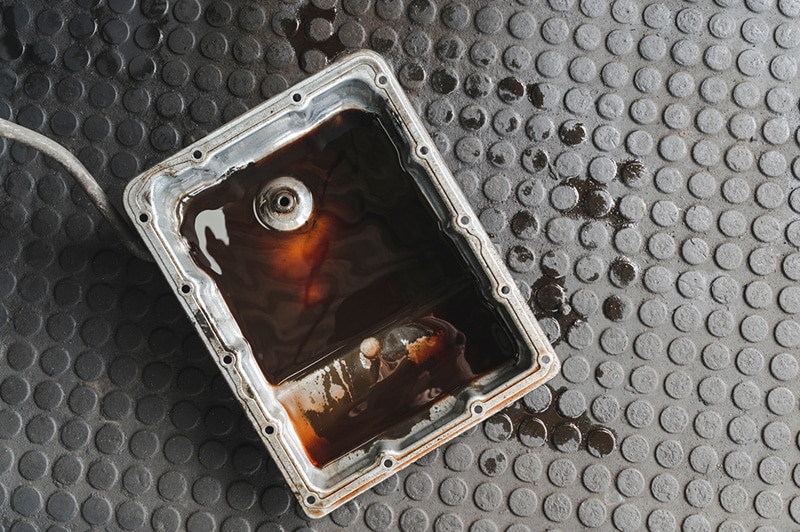
Here’s how to spot overheating before it causes major damage: Check your transmission fluid. Healthy fluid should be pinkish-red and have a slightly sweet smell. If it’s dark brown or black with a burnt odor, you’ve got a heat problem. And if you see metal shavings in the fluid, internal components are already grinding themselves apart.
For Centennial residents who tow boats to the reservoirs or haul equipment for work, we recommend checking transmission fluid before and after any heavy-duty trips. It takes two minutes and can save you thousands in repairs.
The fix for overheating usually involves:
- Flushing contaminated fluid and replacing the filter
- Repairing or replacing damaged cooler lines
- Adding an auxiliary transmission cooler for vehicles that tow frequently
- Addressing any underlying mechanical issues causing excessive friction
We’ve equipped many local fleet vehicles with upgraded cooling systems to handle Colorado’s demanding driving conditions.
Strange Noises and Vibrations
Your diesel transmission shouldn’t make much noise during normal operation. When you start hearing grinding, whining, clunking, or buzzing sounds, pay attention. Your transmission is trying to tell you something.
Grinding noises during gear changes often indicate worn synchronizers in manual transmissions or damaged planetary gears in automatics. This is metal-on-metal contact happening where it shouldn’t be.
Clunking sounds when shifting from park to drive, or between gears, can point to worn motor mounts, loose transmission mounts, or internal component damage. Don’t dismiss these as “normal diesel sounds.”
Whining or humming that changes with vehicle speed typically indicates bearing wear or problems with the torque converter.
Vibrations felt through the floor or shifter could stem from several sources: damaged driveshafts, worn U-joints, or internal transmission issues.
The challenge with transmission noises is that they’re rarely specific to one problem. A grinding sound could be a $200 fix or a sign that you need a $3,000 rebuild. That’s why proper diagnosis matters so much.
At our shop, we use the latest diesel diagnostic tools to pinpoint exactly where noises originate. Our ASE-certified technicians can often determine whether you’re looking at a minor repair or something more significant before we ever pull the transmission apart. For Aurora and Centennial drivers, this diagnostic approach saves time and money by targeting the actual problem instead of guessing.
Torque Converter Problems
The torque converter is essentially the link between your diesel engine and automatic transmission. It uses fluid to transfer power, and it’s under constant stress in diesel applications. When it fails, you’ll know it.
Warning Signs of Converter Failure
Watch for these symptoms:
- Shuddering at highway speeds – This feels like driving over rumble strips, usually between 40-60 mph. It often indicates worn lock-up clutch material inside the converter.
- Slipping during acceleration – The engine revs but the vehicle responds sluggishly, especially under load.
- Transmission overheating – A failing converter generates excess heat because it can’t transfer power efficiently.
- Strange sounds at idle – Rattling or grinding noises that go away when you shift into gear often point to converter problems.
- Contaminated fluid – Metal particles in the transmission fluid can come from a disintegrating converter.
Inside the torque converter, the stator controls stall speed and fluid direction. This component frequently fails in diesel applications because it deals with so much more torque than a gasoline engine produces. We’ve seen stators crack under load, especially in trucks used for heavy towing.
The solution often involves replacing the torque converter entirely. For diesel trucks that work hard, upgrading to a converter with CNC-machined or billet internal components can prevent future failures. These stronger materials hold up better under the demanding conditions diesel transmissions face.
Convertor replacement isn’t a DIY job. It requires dropping the transmission, and if you’re going to do that, it makes sense to inspect and service other components while everything is apart.
Preventive Maintenance Tips
Most diesel transmission problems are preventable. Seriously. A little attention to maintenance can add years of life to your transmission and save you from unexpected breakdowns.
Here’s what we recommend for diesel owners in Centennial and Aurora:
Check fluid regularly – Make it part of your routine. Once a month, or before any long trip or heavy towing job, check the level and condition. This takes five minutes and catches problems early.
Change fluid on schedule – Follow your manufacturer’s recommendations, but understand that severe-duty use (towing, commercial driving, frequent stop-and-go) requires more frequent changes. Every 30,000 miles is a good baseline for hard-working diesels.
Don’t overload your vehicle – We know it’s tempting to push limits, but exceeding your truck’s towing or payload capacity accelerates transmission wear exponentially.
Let it warm up – Cold transmission fluid doesn’t flow well. In Colorado winters, give your diesel a few minutes to warm up before asking the transmission to work hard.
Address problems immediately – That little slip you noticed? That faint noise? Don’t wait. Small problems become big problems when you ignore them.
Use quality fluid – Cheap transmission fluid is false economy. Use what your manufacturer specifies, and buy from reputable sources.
For fleet operators, we recommend scheduling regular transmission inspections as part of your preventive maintenance program. At Budget Transmission, we offer transmission performance checks that can identify developing problems before they leave your drivers stranded.
Conclusion
Diesel transmissions are built tough, but they’re not indestructible. The higher torque loads, demanding work conditions, and heavy-duty use that these vehicles handle means transmission problems will eventually occur. The key is catching them early and getting them fixed right.
If you’ve noticed slipping gears, strange noises, overheating, or any of the other symptoms we’ve covered, don’t wait until you’re stranded on the side of I-25. Get it checked out now.
At Budget Transmission in Centennial, Colorado, diesel customers are a specialty. Our ASE-certified technicians use the latest diesel diagnostic tools to accurately identify problems, and we stand behind our work with a 12-month warranty with unlimited miles. We also offer FREE diagnostic services, so there’s no risk in finding out what’s going on with your transmission.
Whether you’re a Centennial resident with a personal diesel truck or managing a fleet of commercial vehicles serving Aurora and the surrounding area, we’re here to help keep your diesels running strong.
Give us a call or stop by the shop. Let’s get your transmission sorted out before a small problem becomes a big one.
Frequently Asked Questions
What are the most common diesel transmission issues?
The most common diesel transmission issues include slipping gears, delayed engagement, overheating, fluid contamination, strange noises and vibrations, and torque converter problems. These issues typically arise due to the higher torque loads diesel engines produce, which puts extra strain on transmission components.
Why do diesel transmissions fail more often than gasoline transmissions?
Diesel engines produce significantly more torque—often 400 lb-ft or more—which puts tremendous strain on transmission components. Clutch plates, torque converters, and other parts wear faster under these heavy loads, especially during towing or commercial use, making regular maintenance essential.
How can I tell if my diesel transmission is overheating?
Check your transmission fluid regularly. Healthy fluid should be pinkish-red with a slightly sweet smell. If it’s dark brown or black with a burnt odor, your transmission has a heat problem. Metal shavings in the fluid indicate internal components are already suffering damage.
How often should diesel transmission fluid be changed?
For hard-working diesels, changing transmission fluid every 30,000 miles is a good baseline. However, severe-duty use like towing, commercial driving, or frequent stop-and-go traffic requires more frequent changes. Always follow your manufacturer’s recommendations for your specific vehicle.
What causes gear slippage in a diesel truck?
Gear slippage in diesel trucks commonly results from worn clutch plates, low transmission fluid levels, faulty solenoids, or damaged synchronizers. Heavy towing amplifies these issues. Catching slippage early often means a simple repair, while ignoring it can lead to a complete transmission rebuild.
Can I prevent diesel transmission problems with regular maintenance?
Yes, most diesel transmission problems are preventable. Check fluid monthly, change it on schedule, avoid overloading your vehicle, let the transmission warm up in cold weather, address small issues immediately, and always use manufacturer-recommended quality fluid to extend transmission life.